Key Takeaways
- Indicators of Unacceptable Teacher-Pupil Connections and Comprehending Such Relationships
- Essential Warning Indicators
- Warning Signals in Educator Behavior
- Insights from Colleagues and Personnel
- The Involvement of Caregivers and Guardians
- Reporting Systems and Procedures
Warning Signs Of Inappropriate Teacher-Student Relationships In Pennsylvania Schools | Understanding Inappropriate Teacher-Student Relationships
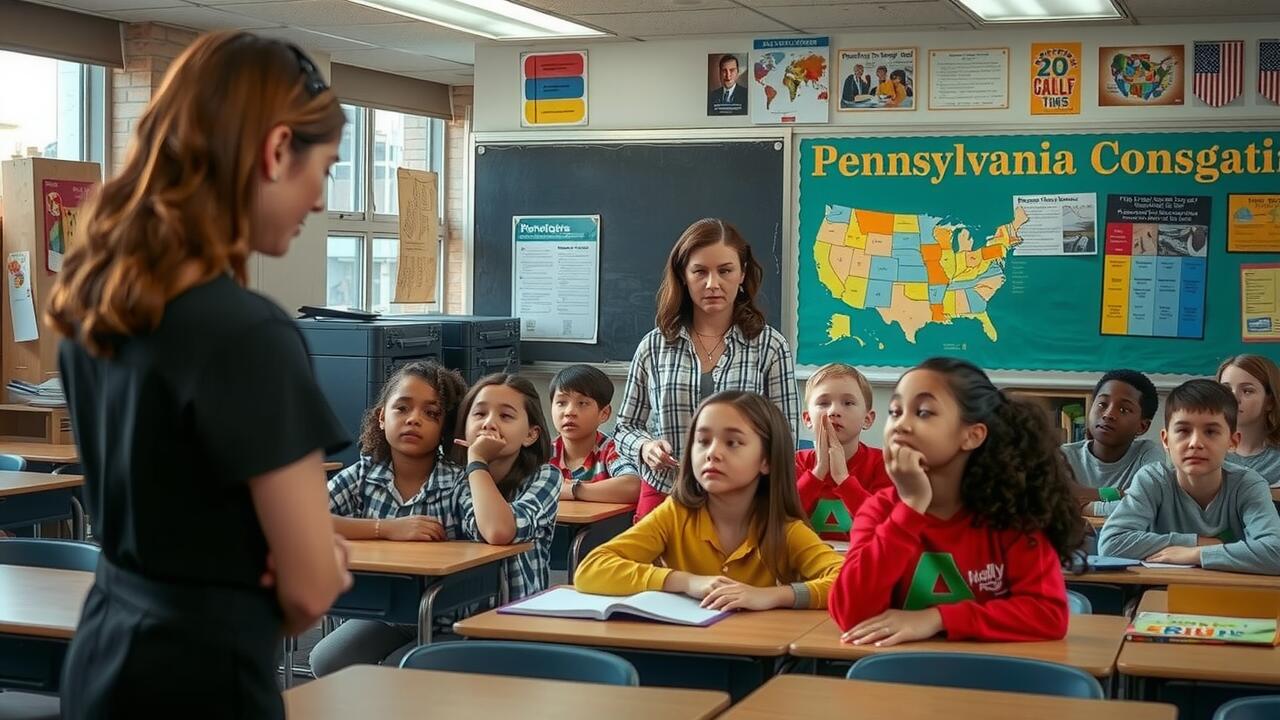
Recognizing the Warning Signs of Inappropriate Teacher-Student Relationships in Pennsylvania Schools is crucial for maintaining a safe educational environment. Teachers and educators must be vigilant for indicators that may suggest a concerning relationship with a high school student, middle school pupil, or even an elementary school child. These signs can manifest in various forms, including shifts in student behavior, unusual communication patterns, or an educator's tendency to overstep professional boundaries. School districts play a key role in addressing these issues by fostering awareness among staff and encouraging open channels of communication between students and their educators. Understanding these warning signs is essential for ensuring the welfare of all students across Pennsylvania’s education system.
Warning Signs of Inappropriate Teacher-Student Relationships in Pennsylvania Schools | Definition and Examples
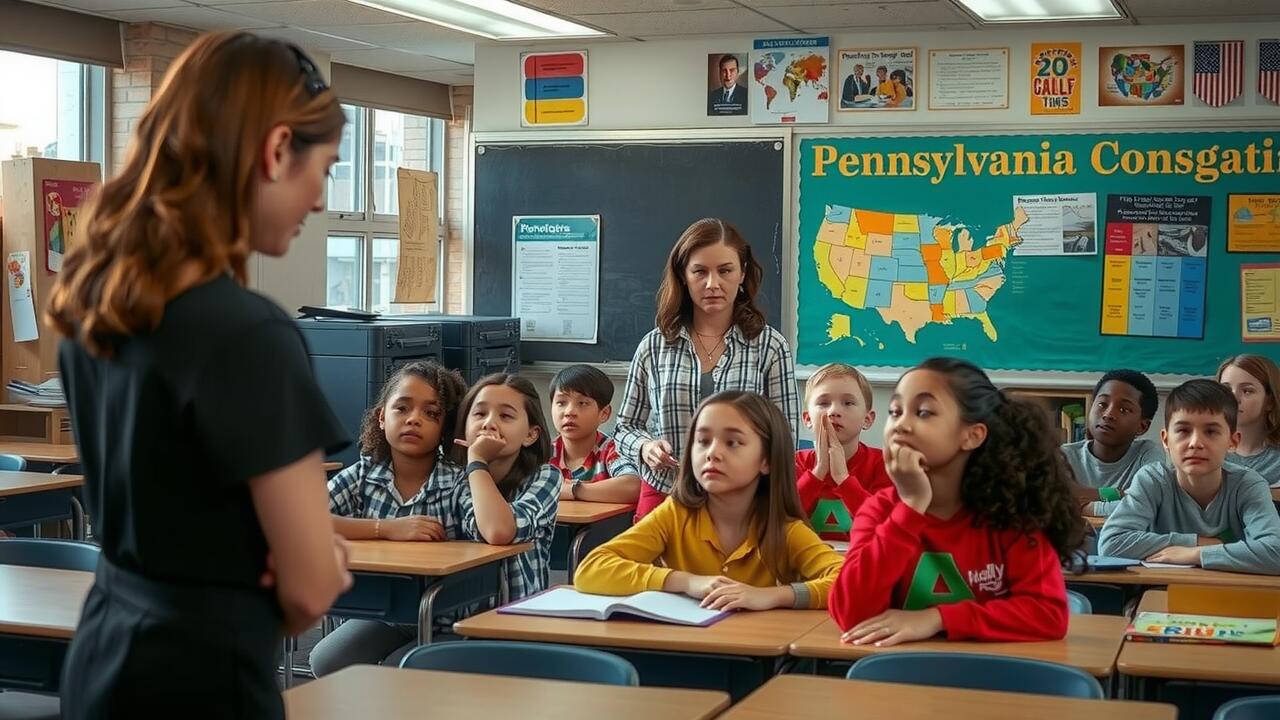
Recognizing the Warning Signs of Inappropriate Teacher-Student Relationships in Pennsylvania Schools is crucial for maintaining a safe learning environment. These signs can manifest in various forms, including overly familiar interactions between a math teacher and students or deviations from expected classroom behaviors. The National School Boards Association emphasizes the importance of vigilance against potential child abuse and neglect within educational settings. Instances of inappropriate relationships can disrupt the curriculum and hinder the overall learning experience, underscoring the need for awareness among school officials and the Board of Education.
Examples of such warning signs may involve teachers from institutions like the Ankeny Community School District or the El Monte Union High School District displaying unusual favoritism or engaging in secretive communication with specific students. These behaviors can create an unhealthy dynamic that allows for potential child abuse to flourish, making it imperative for educators and administrators in Pennsylvania to be proactive. Awareness of these red flags not only protects students but also fosters a culture of accountability within the educational framework.
Legal Implications in Pennsylvania
In Pennsylvania, the legal framework surrounding inappropriate teacher-student relationships is influenced by guidelines from the U.S. Department of Education. This framework highlights the importance of identifying warning signs of inappropriate teacher-student relationships in Pennsylvania schools, as it serves to protect children from abuse and sexual misconduct. Legal definitions of misconduct often encompass a range of behaviors, including those that may initially appear subtle but can escalate into more severe incidents of sexual abuse. Witnesses, including fellow educators and students, play a critical role in recognizing the signs and symptoms associated with these troubling relationships, allowing for timely intervention.
Consequences for educators found guilty of misconduct can be severe, ranging from suspension to permanent revocation of teaching licenses. The Texas Education Agency and similar authorities in Pennsylvania establish strict reporting mechanisms that require schools to act upon any signs of inappropriate behavior. Awareness of warning signs of inappropriate teacher-student relationships in Pennsylvania schools is essential for both educators and parents alike to ensure the safety and well-being of children. Understanding the legal implications surrounding these issues is crucial for fostering a safe educational environment.
Key Warning Signs
Warning signs of inappropriate teacher-student relationships in Pennsylvania schools can manifest in various ways, often beginning with noticeable behavioral changes in students. These changes may include shifts in attitude, withdrawal from peers, or sudden changes in academic performance, all of which could indicate an abused student who may be struggling with the complexities of an inappropriate teacher-student relationship. Monitoring teacher-student interactions is essential, as inappropriate teacher behavior can involve overstepping professional boundaries or engaging in unusual communication patterns that hint at a potentially harmful dynamic. Recognizing these warning signs is crucial for ensuring the safety and well-being of students within the educational environment.
Behavioral Changes in Students
Students may exhibit noticeable behavioral changes that serve as warning signs of inappropriate teacher-student relationships in Pennsylvania schools. Alterations in mood, withdrawal from peers, or a sudden drop in academic performance can indicate underlying issues. High school teachers should remain vigilant; when a student becomes overly secretive or evasive about their interactions with a particular educator, this could heighten suspicions. School administrators must take these observations seriously, especially if concerns arise about potential problem teachers influencing student victim behavior.
Elementary school teachers and high school educators alike should monitor not just individual students but also group dynamics. If a student begins to show favoritism towards one teacher, or establishes an unusual level of intimacy in student-educator communication, it might be a cause for concern. Multiple teachers or school staff may notice patterns that, when combined, suggest deeper issues at play. It's essential for the school district to notify relevant parties when such warning signs are evident to ensure the safety and well-being of all students involved.
Development of Secrecy and Discretion
Secrecy and discretion can indicate troubling dynamics between students and educators. Warning Signs of Inappropriate Teacher-Student Relationships in Pennsylvania Schools may manifest as students suddenly appearing to protect their interactions with certain teachers. Many teachers might engage in casual conversations, yet an experienced teacher who cultivates a secretive relationship with a student raises red flags. School districts report that such behaviors could lead to sexual educator misconduct, impacting school safety and compromising teacher-family relationships.
Students may also begin to shield the details of their interactions with specific educators from parents and peers. This shift towards secrecy is concerning and serves as one of the Warning Signs of Inappropriate Teacher-Student Relationships in Pennsylvania Schools. Different educators may exhibit varying degrees of discretion, and potential teachers should be vigilant about maintaining professional boundaries. School district policies emphasize the importance of transparency to foster a safe learning environment for students and families.
- Increased reluctance among students to share details about their interactions with specific teachers
- Sudden changes in a student's behavior or academic performance
- Frequent one-on-one meetings between a teacher and student without transparent purpose
- Disproportionate attention given to one particular student over others
- Unusual exchanges or gifts between a teacher and a student
- Avoidance of common social settings where peers and parents might question the teacher-student relationship
- Reports or rumors from fellow students about strange or inappropriate interactions
Red Flags in Teacher Conduct
Warning signs of inappropriate teacher-student relationships in Pennsylvania schools can manifest through various red flags in teacher conduct. Public educators must adhere to school district policies that prioritize the well-being of minor students. A third-grade teacher displaying changed behavior—such as staying late at school or a student expressing reluctance to attend classes—may indicate underlying issues. Communication that deviates from standard professional boundaries or signs of favoritism towards specific students can also raise concerns. School employees should remain vigilant for such patterns, as students vary in their responses, making it crucial to identify potential teachers who might engage in inappropriate behavior. Recognizing these warning signs is essential for maintaining a safe learning environment in schools and ensuring that all student interactions uphold professional standards.
Unusual Communication Patterns
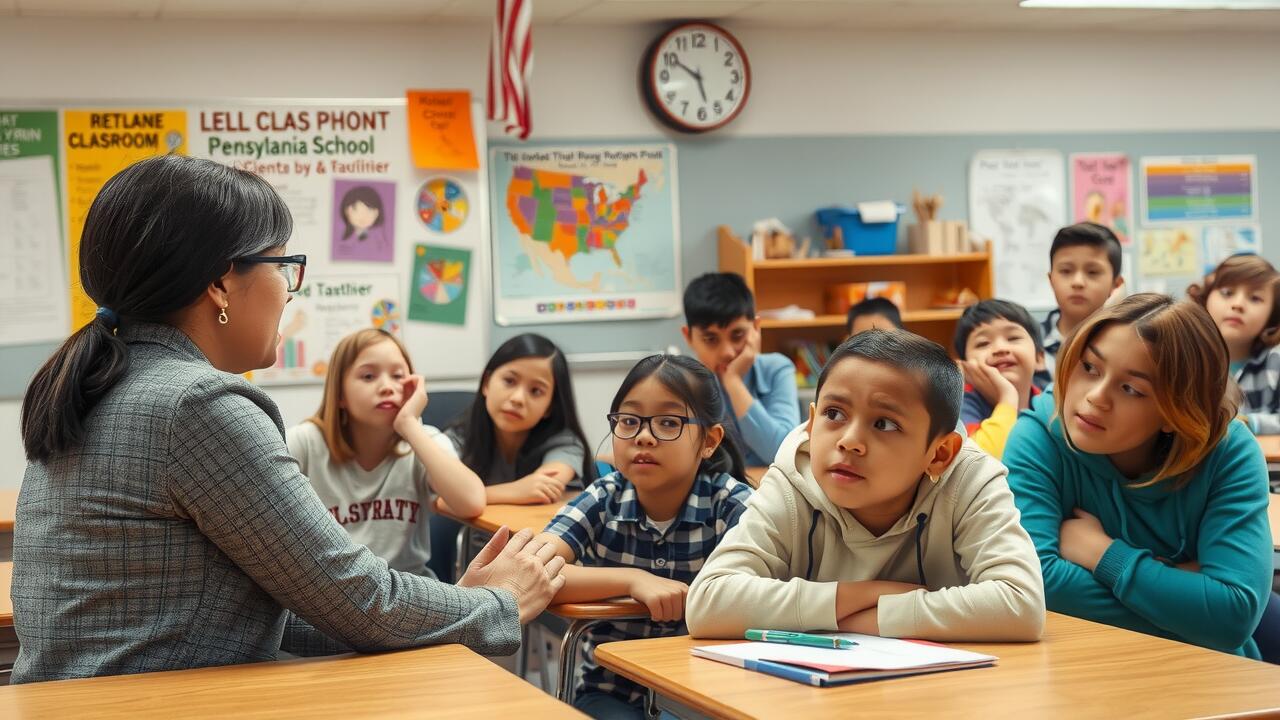
A notable warning sign of inappropriate teacher-student relationships in Pennsylvania schools arises from unusual communication patterns. This can include excessive contact outside of school-related events or communications that take place on personal social media platforms. Multiple school districts have established policies to prevent such interactions, emphasizing the need for clear boundaries. Communication should primarily occur on school property and through school-approved channels to ensure that high school students feel safe and supported.
Another red flag is when specific students receive disproportionate attention or communication from a teacher compared to their peers. This may manifest in private messages or one-on-one conversations that lack educational purpose. School principals and staff should be vigilant in observing these behaviors, as they can indicate potential violations of school district policy regarding appropriate conduct. Recognizing these warning signs of inappropriate teacher-student relationships in Pennsylvania schools is crucial for maintaining safe environments for students.
Overstepping Professional Boundaries
Teachers are expected to maintain a professional demeanor at all times. Warning signs of inappropriate teacher-student relationships in Pennsylvania schools often manifest as teachers blurring the lines between personal and professional interactions. School staff who engage in overly familiar behavior, such as sharing personal information or seeking emotional connections, may indicate a concerning dynamic. Trusted teachers in many schools should prioritize professionalism to ensure a safe educational environment, free from inappropriate relationships that can harm students and disrupt their educational experience.
High school districts must remain vigilant in monitoring teacher conduct to prevent any overstepping of boundaries. School employees who frequently engage with students outside of standard educational activities could inadvertently foster an environment that allows inappropriate relationships to develop. Reports from former students may highlight instances where teachers have crossed these professional lines. The school board plays a crucial role in implementing policies and training aimed at identifying and addressing such behavior, which is essential for maintaining the integrity of violence education and safeguarding students.
Observations from Peers and Staff
Observations by peers and staff play a crucial role in identifying the warning signs of inappropriate teacher-student relationships in Pennsylvania schools. Colleagues may notice unusual favoritism or an excessive focus on the same student, which could raise red flags about inappropriate behavior. An education study highlighted that behavioral changes in young students often coincide with increased attention from teachers, particularly when former female students report discomfort. Staff members should be vigilant for signs that a teacher is crossing professional boundaries, as these behaviors can impact academic areas and potentially escalate into serious issues. Attention to violence warning signs and the dynamics of interactions throughout the entire school year is essential for maintaining a safe educational environment.
Changes in Teacher Interactions
Changes in the nature of interactions between teachers and students can serve as critical warning signs of inappropriate teacher-student relationships in Pennsylvania schools. For instance, if physical education teachers display an unusual level of familiarity with K-12 students, such as sharing personal anecdotes or discussing school material in a way that feels too personal, it could indicate inappropriate conduct. These changes become even more concerning at the high school level, where students may feel pressured to participate in activities that blur professional boundaries.
Notably, the frequency and tone of communication can also reveal shifts in teacher interactions. If a teacher begins to engage with students outside of standard school processes, such as using social media to communicate in a casual manner, it may signal the development of an inappropriate relationship. K-12 students, especially those involved in a violence education program, might feel uncomfortable sharing their experiences due to a perceived lack of professionalism from their teachers. Recognizing these warning signs is essential for maintaining a healthy and supportive educational environment.
Concerns Raised by Colleagues
Colleagues within the educational environment are often the first to spot Warning Signs of Inappropriate Teacher-Student Relationships in Pennsylvania Schools. School boards and education committees emphasize the importance of fostering a safe and supportive atmosphere for many students. High school coaches and teachers who share an interest in student well-being may observe unusual dynamics that warrant further attention. If a fellow employee suspects abuse or inappropriate interactions, it becomes crucial to document observations and communicate concerns effectively, ensuring that the educational program remains a safe space for all.
The role of peers in identifying potential issues cannot be understated. Concerns raised by colleagues often lead to the implementation of educational materials and resources such as dating violence education programs. The Ankeny School District highlights the importance of collaboration among staff members to address potential behavioral issues and support students facing difficult learning situations. By acknowledging and reporting these warnings, faculty members play a key part in safeguarding the integrity and safety of their educational environment.
The Role of Parents and Guardians
Parents and guardians play a crucial role in identifying Warning Signs of Inappropriate Teacher-Student Relationships in Pennsylvania Schools. By fostering open communication with their children, they can help spot behavioral changes that may indicate a possible inappropriate relationship with educators. Involvement in school activities, such as attending meetings at the ankeny community school or communicating with faculty and school resource officers, can enhance awareness of any concerning dynamics. Awareness of educational goals should motivate parents to monitor the environment in which their children learn, including interactions with teachers. Engaging with national school boards and the education office can provide resources to navigate any alarming situations, ensuring the safety and integrity of the instructional program. Parents must remain vigilant for signs that might suggest a driving school instructor’s conduct is crossing professional boundaries, enabling swift action to protect students and uphold their educational journey.
Encouraging Open Communication
Open lines of communication between parents and guardians and educational institutions are essential for identifying potential issues. Discussion about school experiences can help parents recognize the Warning Signs of Inappropriate Teacher-Student Relationships in Pennsylvania Schools. This may include changes in grades or behavior, or unusual interactions observed through school emails and messaging apps. Establishing a dialogue allows parents to be more vigilant regarding potential abusers and to report any concerns they may have related to instructional materials or other aspects of their child’s education.
Creating a culture of trust facilitates the sharing of information about problematic behavior. Parents should feel empowered to ask questions and voice any concerns they may have. By remaining engaged in their child's schooling, families can identify clear warning signs that might otherwise go unnoticed. Regular updates from schools, whether through meetings or newsletters, can aid in this awareness, ensuring that warning signs of inappropriate teacher-student relationships become visible to all stakeholders involved in student welfare.
Signs Parents Should Monitor
Parents should be vigilant for various signs that might indicate inappropriate teacher-student relationships. Particularly in elementary schools, a sudden change in a minor's behavior, such as increased withdrawal or anxiety about school, can be alarming. Parents should question any noticeable issues that arise in their child's interactions with instructors. Engaging a sexual abuse lawyer may become necessary if these warning signs align with the patterns recognized in Warning Signs of Inappropriate Teacher-Student Relationships in Pennsylvania Schools.
Another critical aspect for parents is to monitor their child's communication about school and teachers. If a child expresses discomfort with an instructor or mentions secrets that involve the teacher, it may signal deeper problems. Principals and institutions often provide violence training for staff, yet some potential abusers can slip through the cracks. Understanding these signs and being proactive can help create a safer educational environment for minors.
Reporting Mechanisms and Protocols
Recognizing the Warning Signs of Inappropriate Teacher-Student Relationships in Pennsylvania Schools is crucial for ensuring the safety of young people within educational environments. Schools often implement specific reporting mechanisms to address this serious issue effectively. If a student or a peer identifies behaviors that suggest potential misconduct, it is vital to notify the appropriate authorities immediately. Victims and witnesses can report concerns, which may involve contacting the district's designated personnel responsible for handling such claims. The accused employee will face a thorough investigation, allowing for a necessary response to protect students and maintain the integrity of educational relationships.
- Schools should have clearly defined procedures for reporting inappropriate behavior.
- Reports can be made anonymously to ensure the safety and confidentiality of the informant.
- Designated personnel should be trained to handle reports sensitively and effectively.
- Parents and guardians should be informed about the reporting protocol to encourage communication.
- Regular training sessions should be conducted to educate staff and students about recognizing warning signs.
- Support services should be available for victims to ensure their emotional and psychological well-being.
- Follow-up procedures must be in place to ensure that reported incidents are addressed and resolved appropriately.
Conclusion
Understanding the Warning Signs of Inappropriate Teacher-Student Relationships in Pennsylvania Schools is crucial for the safety and well-being of K-12 students. Schools, including those in Michigan, have implemented violence education programs to address these issues and ensure a safer environment, promoting awareness among students and staff about inappropriate conduct. Physical education teachers, in particular, must be vigilant in their interactions, as the high school level often presents unique challenges. Observing school material and communication patterns can help in identifying potential risks during the K-12 school years. Encouraging students to share their experiences with trusted adults can aid in the detection of any inappropriate relationships, while effective school processes must be in place to address concerns raised by peers and staff.
FAQS
What constitutes an inappropriate teacher-student relationship?
An inappropriate teacher-student relationship is characterized by any form of emotional, physical, or sexual misconduct between a teacher and a student, which violates professional boundaries and can have serious legal and ethical implications.
What are some common warning signs of inappropriate relationships in schools?
Common warning signs include behavioral changes in students, unusual communication patterns, secretive interactions, and a teacher overstepping professional boundaries. Observations from peers and staff can also highlight potential concerns.
What should parents look for to identify potential issues?
Parents should monitor for changes in their child’s behavior, such as withdrawal or secrecy, as well as any unusual relationships or communications with teachers. Open communication with their child about school and feelings can also help.
Are there legal implications for teachers engaged in inappropriate relationships with students in Pennsylvania?
Yes, teachers in Pennsylvania can face severe legal consequences for engaging in inappropriate relationships with students, including criminal charges, loss of teaching licenses, and civil lawsuits.
How can someone report suspected inappropriate relationships in schools?
Suspected inappropriate relationships can be reported to school administrators, local law enforcement, or through designated reporting mechanisms and protocols established by the school district. It’s crucial to act on suspicions for the safety of students.
What are some warning signs of inappropriate teacher relationships in Pennsylvania schools that students and parents should be aware of?
Inappropriate teacher relationships can manifest through various signs, and it's crucial for students and parents to recognize these warning signs for ensuring safe schools. Changes in behavior, such as a student staying late at school or expressing reluctance to go to school at all, should raise concerns. Other indications may include students sharing personal information with educators inappropriately or receiving excessive emails through school accounts. Many school districts emphasize the importance of reporting abuse and suspecting abuse should be acted upon to maintain the integrity of student-educator relationships. School attorneys often highlight the necessity of informing the school district to address any student suspicions adequately, making it essential for school systems to foster an open environment for students to report their concerns.
How can a school district notify parents about potential warning signs of inappropriate teacher-student relationships in Michigan schools?
A school district can notify parents about potential warning signs by sending out communications that detail specific behaviors like changed behavior in students—such as staying late at school or not wanting to go to school at all. It's crucial for parents to share any concerns with the school and for employees suspecting abuse to report it. This is especially relevant in the context of educational environments, and colleges may also provide resources on recognizing these signs. Furthermore, communication can occur through school emails, helping ensure that all stakeholders are aware of the important issues surrounding student safety in the school building.
How can a school district notify parents about changes in student behavior that may indicate inappropriate teacher-student relationships in Pennsylvania schools?
A school district can notify parents about changes in student behavior, such as students staying late at school or not wanting to go to school at all, through various means including emails–through school communication channels. Educators should encourage students to share their experiences and any concerns. If an employee suspects abuse, it's crucial for the school district to take appropriate action post-abuse by informing parents and providing resources for their child's education–or emotional support.
How should a school district notify parents if a student's behavior has changed, such as staying late at school or not wanting to go to school at all, which might indicate potential inappropriate teacher-student relationships in Michigan schools?
A school district should notify parents by providing clear communication through newsletters, emails, or meetings, detailing any observed changes in student behavior, such as staying late at school or not wanting to go to school at all. It is essential for students to share their experiences and for employees to report any suspicions of abuse to ensure a safe educational environment.
How can a school district notify parents if their student has changed behavior, such as staying late at school or not wanting to go to school at all, which might indicate that a Michigan school employee is suspecting abuse?
A school district can notify parents through regular communication channels, such as emails, newsletters, or parent-teacher conferences, to discuss any concerns regarding a student's changed behavior, including staying late at school or displaying reluctance to attend school at all. It is important for the student to share any feelings or experiences that could help in understanding the situation, especially if there are concerns about employee suspecting abuse.
How can a school district notify parents if they notice that a student's behavior has changed, such as staying late at school or not wanting to go to school at all, which might indicate a problem with a Michigan school employee?
A school district can notify parents through multiple channels when they observe changed behavior in a student, such as staying late at school or not wanting to go to school at all. It's essential for the district to communicate effectively with parents so they can understand and support their child's schoolwork. The district can share information via email, phone calls, or school meetings to discuss any variations in student behavior that may raise concerns.
How can a school district notify parents if their student's behavior has changed significantly, such as staying late at school or showing reluctance to attend school at all, in Michigan schools?
A school district can notify parents by sending out alerts through newsletters, emails, or automated phone calls, focusing on any changed behavior in the student, such as staying late at school or not wanting to go to school at all. This communication allows the student to share their concerns and ensures that parents are aware of any variations in their child's behavior, which may require further attention or intervention regarding the Michigan school environment.
What steps should a school district take to notify parents if they observe any changed behavior in students, such as staying late at school or not wanting to go to school at all, which might be of concern?
A school district should notify parents promptly when they observe any changed behavior in students. This could include issues like staying late at school or showing reluctance to attend school at all. It's important for the district to encourage students to share their experiences and concerns, as this can help in identifying potential issues. Regular communication and engagement between the school and parents will vary depending on the policies in place, but transparency is key in addressing any behaviors of concern.
How can a school district effectively inform parents if they observe varied behaviors in a student, such as staying late at school or showing reluctance to attend school at all?
A school district should notify parents about any changed behavior, such as staying late at school or not wanting to go to school at all, to ensure they are aware of potential issues. It is important for the school district to encourage students to share their feelings and experiences, as this may help identify any underlying problems.
How can a school district inform parents if they notice a student's varied behaviors, such as staying late at school or showing reluctance to attend school at all?
A school district should notify parents immediately if they observe changed behavior in students, such as staying late at school or not wanting to go to school at all. By sharing this information, the school can help parents understand the potential issues their child may be facing and encourage collaboration in addressing any problems.